ARE "MINOR" FASHION WEEKS THE FUTURE OF THE INDUSTRY?

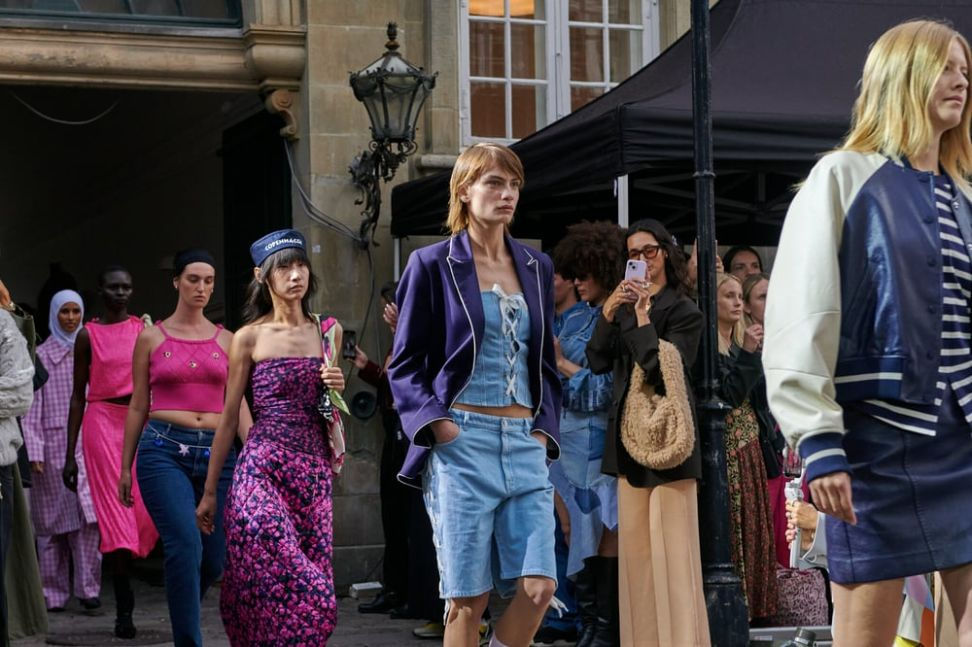
The phenomenon where attention directed to fashion weeks is centralized mostly in Paris, and the subsequent lack of interest directed towards its Milano, NYC and London counterparts, has grown so much during the last seasons that it is now a matter of deeper study and conversation in the industry.
Currently Paris reigns in media relevancy, attracting up to 425 million USD in Media Impact Value as of 2024, according to a recent report by Launchmetrics. Given that the two main luxury fashion conglomerates (LVMH and Kering) are based in the French capital, and haute couture week happens there as well, it does not come off as a surprise that Paris gets the most attention out of all the main fashion weeks.
When it comes to the economic impact that a fashion week can leave on a city, the one that benefits the most is New York. Usually, its fashion week generates around 900 million USD per edition for the city, with an average of 2300 USD spent by each person who visits specifically for this event.
Creativity-wise, however, there is a growing conversation on the topic of which city should be prioritized. There seems to be a generalized consensus that Paris is, too, the best place to go to for fashion presentations. Especially since Brexit, it is just easier for European brands to focus their efforts on Paris, as accessing London Fashion Week is more of a hassle now and does not reap the same benefits as Paris in terms of media exposure and financial profits.

Even if economic gains take a while to come for brands during their first shows and while they are establishing a solid presence in Paris, the elevation in status they experience through these efforts is too crucial to let go of. When asked why it was important to have a Parisian branch, Japanese brand SULVAM founder and creative director Teppei Fujita stated: “It is a big effort for us, but as a fashion brand, being in Paris gives you a seal of approval, a level of validation from the industry”.
It is safe to say that it is one thing to have a fashion label, and a completely different one to have a fashion label in Paris. But, looking forward to the future of this business, will it always be the case?
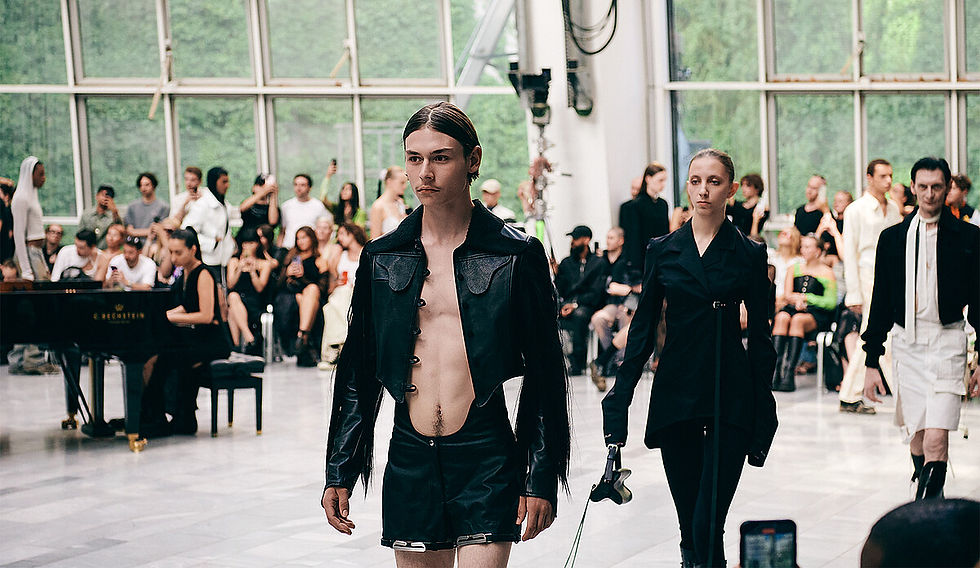
Some industry experts and insiders predict that, while the Big 4 (Paris, London, New York City and Milano) will remain on the top spots, by 2030 the fashion week landscape could move into new directions. Cities like Tokyo, Shanghai, Copenhagen and Berlin are increasing their influence in fashion through consistent efforts, such as aligning themselves to the international fashion calendar to not overstep bigger cities, highlighting their focus on sustainability and socially responsible production, and making visits from global guests as smooth as possible through multiple alliances with hospitality services.
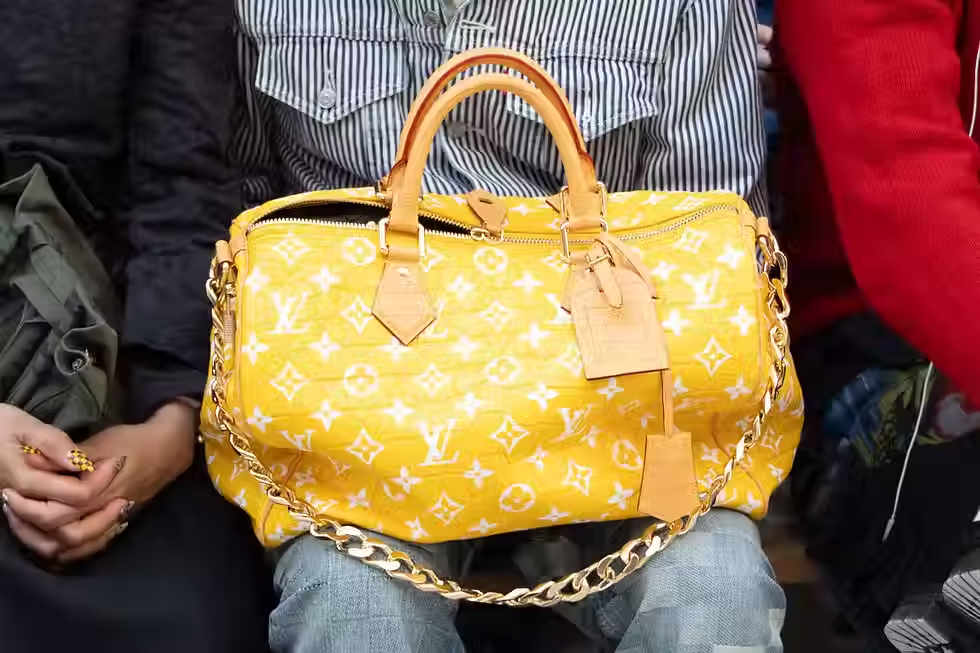
Furthermore, if the idea of true creativity and luxury is closely examined, it becomes evident that both concepts are severely decreasing and poorly executed in the main fashion weeks. Two recent examples that come to mind are the Disney t-shirt displayed on Coperni’s S/S 25 runway show that turned out to be thrifted (even haggled over, according to the seller) on second-hand clothing platform Vinted, and the outrageous price of the Millionaire edition of the Speedy bag released by Louis Vuitton on 2023, one of the ugliest handbags known to mankind, elaborated in crocodile skin tinted in screeching primary hues, and (ridiculously) retailing at 1 million USD.
X post by user @BacklotProd where he exposed how someone haggled him over a Disney t-shirt he was selling on Vinted for said t-shirt to end up in Coperni's S/S 25 runway show.
Granted, this type of media stunts might reach the oh-so-coveted viral status that is crucial for brands to reach in the social media era so they can stay relevant, but any self respecting fashion consumer could interpret them as cheap cash grabs, as an insult to their intelligence, and they would not be wrong to feel this way. If the difference between one brand or another is not in their design DNA nor in their quality level, but in how viral they can become every couple of weeks, then it feels justified to find alternatives if it is creativity, originality and innovation at fair prices that the audiences are looking for.
The dominance and influence of the Big 4 in terms of fashion weeks and presentation will stay uncontested for the foreseeable future, unless something unexpected happens. However, as fashion education and critical thought is more accessible than ever, along with travel now being a generalized option as well as simply staying on top of all things fashion in real time through social media, it is very likely that professionals and enthusiasts alike feel more called to explore options off the beaten, repetitive and Eurocentric path that this field has force fed them for so, so long.


Comentarios